Life Sciences Workshop
Elevate’s Life Sciences Workshop, brought to you by Fidelity Private Shares, gathered founders, operators, researchers, and industry leaders for a focused look at one of the most complex and high-stakes sectors in innovation.
From translating scientific discovery into commercial opportunity to navigating reimbursement, AI, and corporate partnerships, the throughline was clear. In life sciences, great science is only the beginning. Success comes from aligning that science with strategy, economics, and execution.
This workshop was designed to meet founders where they are and provide a space for shared insights. What followed was a candid, experience-driven look at what it actually takes to build in this space.
Session Overview
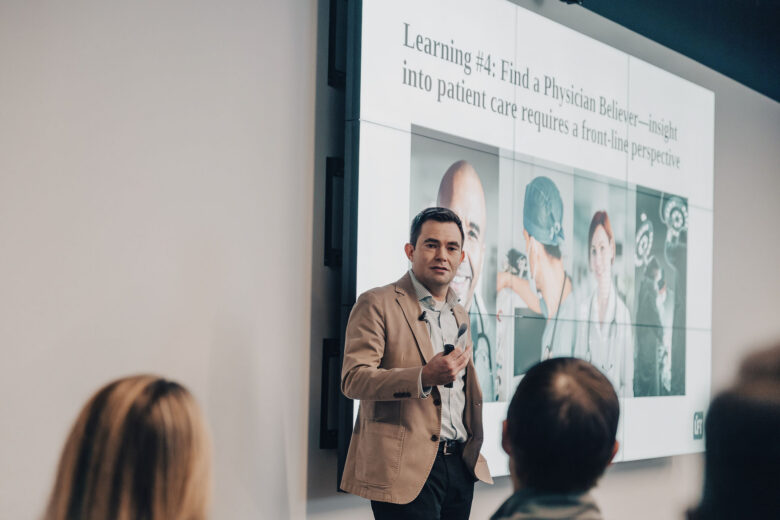
Building a Commercial Case for Scientific Discoveries
Ben Lundgren, Low Institute for Therapeutics
The workshop opened with a critical reframing of how early-stage life sciences companies should think about their work.
Scientific discovery alone is not enough. Founders must translate discovery into a clear, compelling commercial case. That means understanding not just what the science does, but who it serves, how it fits into existing systems, and why it will generate real economic value.
Early-stage founders are often selling vision. But over time, that story must evolve. As data, clinical evidence, and traction build, the narrative must shift toward outcomes, milestones, and a credible path to revenue.
The takeaway was simple but important. Your science gets you in the door. Your business model determines whether you stay.
Lessons in Early-Stage Life Science Leadership
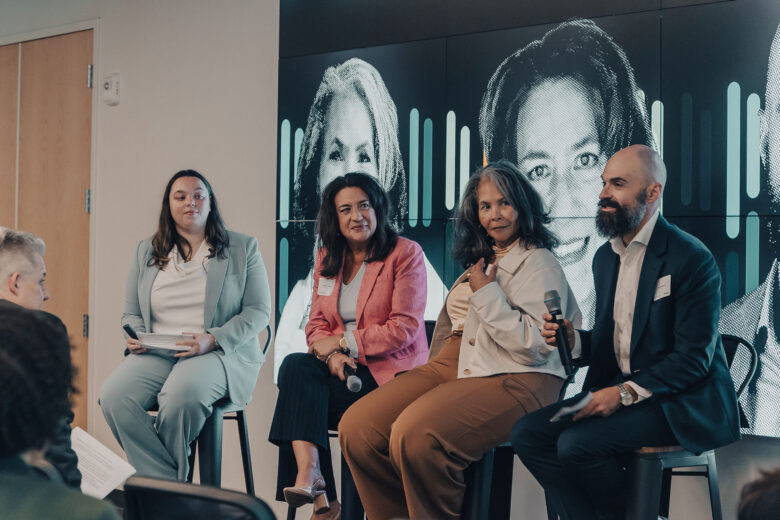
Diana Caldwell, Amplified Sciences | Leslie Wise, Audaxis Medical | Russ Evans, Probari
This panel grounded the room in the realities of building a life sciences company.
Fundraising, hiring, and leadership in this space are uniquely difficult. Timelines are long, capital requirements are high, and many outcomes are outside a founder’s control.
One of the clearest themes was the importance of de-risking. Founders must be brutally honest about where risk exists and actively work to reduce it. Whether that is regulatory, clinical, or commercial, investors are ultimately looking for a path to return.
The conversation also highlighted the importance of hiring for a startup mindset. Not everyone is built for early-stage environments. The right team is scrappy, adaptable, and motivated by the mission, not just the role.
Culture plays a central role in sustaining that team. Leaders emphasized celebrating small wins, staying connected to patient impact, and reinforcing the larger purpose behind the work. In a field where timelines are long and uncertainty is constant, that sense of purpose is what keeps teams moving forward.
B2B for Biotech: Mastering Sales Across Pharma, Providers, and Research
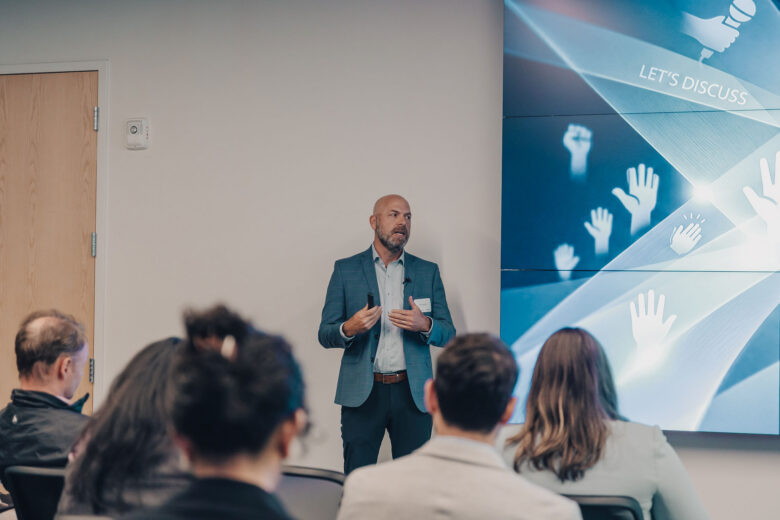
Todd Laderach, Laderach Nexus
One of the most practical sessions of the day focused on commercialization.
In life sciences, there is often an assumption that strong clinical data will naturally lead to market success. In reality, the opposite is often true.
Commercial success requires intentional strategy, early planning, and a deep understanding of the customer journey. Many companies delay this work until regulatory approval, creating a gap that can take years to close.
That gap is costly. Companies can spend 18 to 36 months post-approval before generating meaningful revenue, burning significant capital in the process.
The message was clear. Commercial planning should start early, alongside product development. Founders need to understand who they are selling to, how decisions are made, and what economic value their product delivers.
The Payer Perspective: Navigating Value-Based Care and Early Reimbursement Strategy
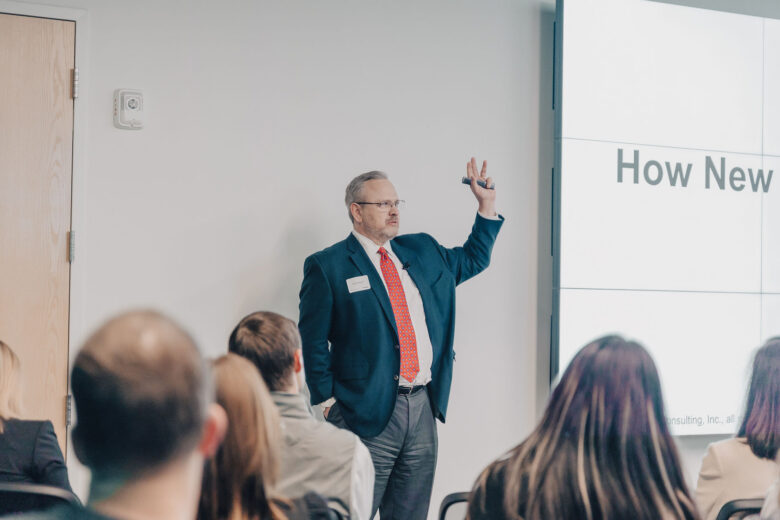
Bob McDonald, Aledo Consulting
The final session addressed one of the most critical and often overlooked aspects of life sciences: getting paid.
Reimbursement is not a downstream consideration. It is a defining factor in whether a company succeeds or fails.
Even breakthrough innovations can struggle if there is no clear pathway to coverage and payment. In many cases, companies reach regulatory approval only to find that revenue is limited or nonexistent.
The challenge is structural. Reimbursement systems are complex, slow-moving, and rooted in long-established rules.
For founders, this means thinking about reimbursement early. Understanding coding, coverage, and payment pathways is just as important as clinical validation.
At the end of the day, innovation must align with how the system works. If it does not, even the most promising technologies can stall.
Final Takeaways
Across every session, a few themes stood out.
First, life sciences is a long game. Progress is measured in years, not months, and success requires sustained focus across multiple fronts.
Second, great science must be paired with strong strategy. Commercialization, reimbursement, and partnerships are not secondary considerations. They are core to the business.
Finally, this is a deeply collaborative ecosystem. Founders who engage with peers, mentors, and partners are better positioned to navigate the complexity and move faster.
The Life Sciences Workshop reinforced what makes this space both challenging and meaningful. The problems are hard. The path is uncertain. But the impact is real.
And that is what makes the work worth doing.
Featured News
-
What 2026 Holds for Innovation, Capital, and Startup Momentum in Indiana
Read More -
Independent Audit Clears Elevate Ventures
Read More -
20 Episodes In: A Trip Down Memory Lane with Innovate or Evaporate
Read More -
The Art Of Resonance
Read More -
How To Tell & Sell Your Story
Read More -
Storytelling That Scales: Inside Elevate’s 2026 Workshop Kickoff
Read More